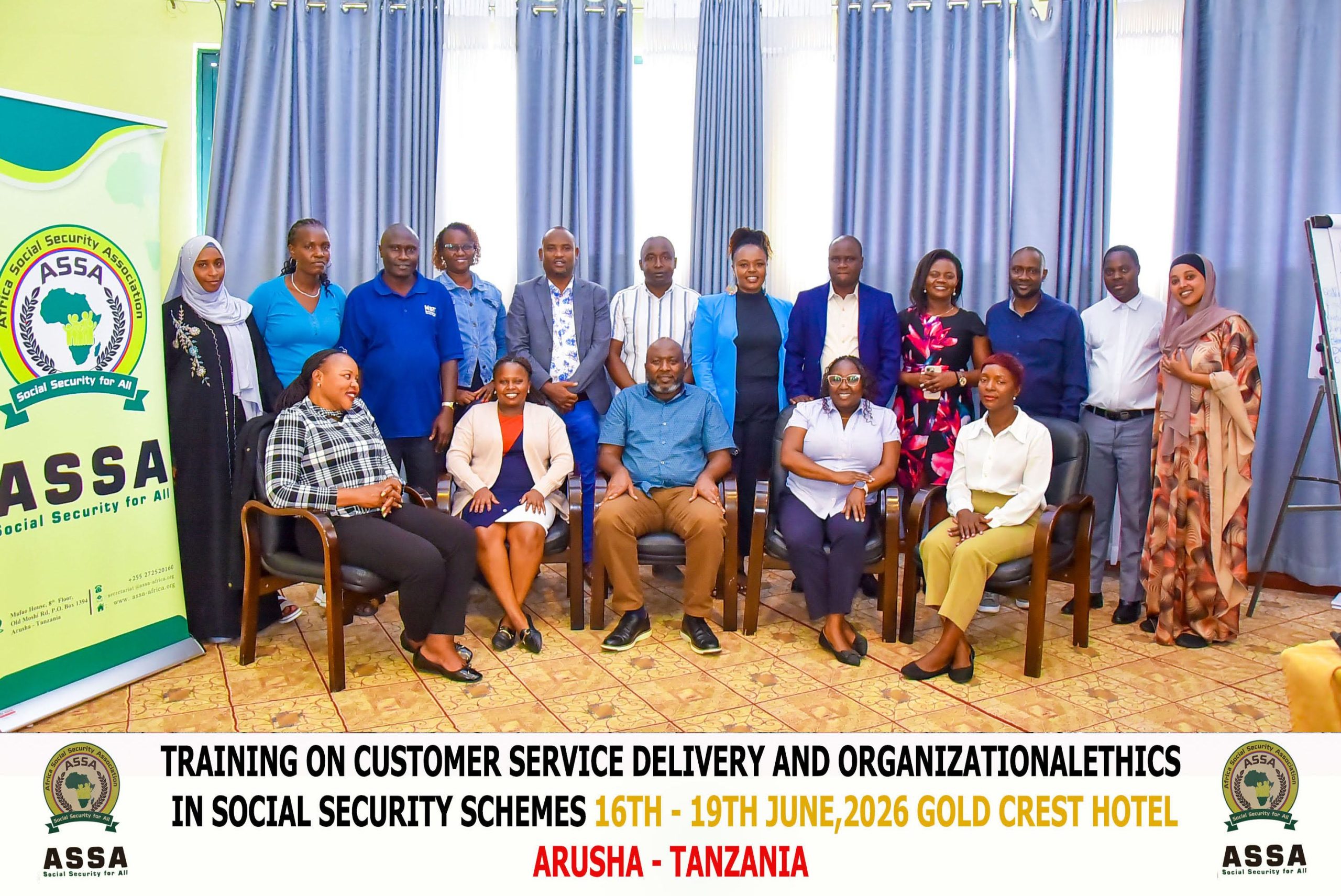
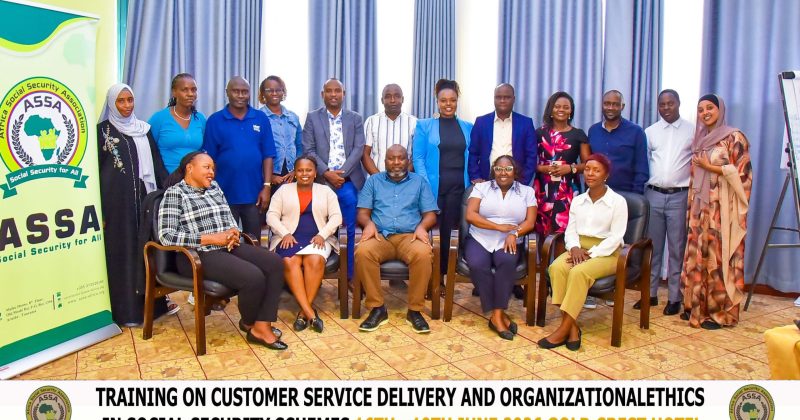
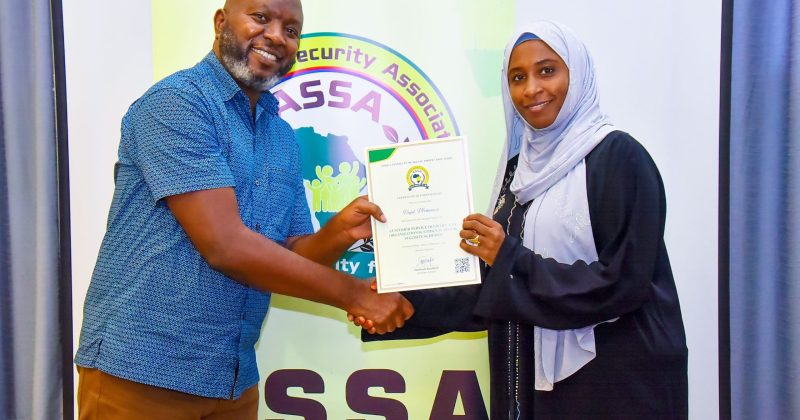



This past week in Arusha, professionals from social security institutions gathered for an intensive training programme on Customer Service Delivery and Organizational Ethics, organized by the Africa Institute of Social Protection (AISP).
While the topics may appear straightforward, they speak to a much larger reality facing the social protection sector today: technical expertise alone is no longer enough. As member expectations evolve and institutions navigate increasingly complex operating environments, professionals are being called upon to demonstrate competencies that extend beyond policy knowledge and operational processes. The ability to communicate effectively, deliver quality service, exercise ethical judgment, and foster accountability has become just as critical as technical proficiency.
The Growing Importance of Customer Service
For many members, their experience with a social security institution is shaped by everyday interactions. Whether seeking information, resolving an issue, or accessing benefits, the quality of service they receive influences their level of trust and confidence in the institution.
Customer service is therefore no longer simply an operational function. It is a strategic tool for building stronger relationships with members and enhancing institutional credibility.
The discussions in Arusha highlighted the importance of adopting a customer-centered approach to service delivery, one that prioritizes responsiveness, professionalism, and a commitment to meeting member needs.
Ethics as the Foundation of Institutional Trust
Trust remains one of the most valuable assets for any social protection institution. It is built through consistent actions, transparent decision-making, and a strong commitment to ethical conduct.
As institutions continue to evolve, professionals are increasingly required to navigate complex situations that demand sound judgment and accountability. Organizational ethics provides the framework that guides these decisions and helps foster a culture of integrity.
Throughout the training, participants explored the role of ethical leadership in strengthening organizational performance and maintaining stakeholder confidence.
Building Institutions for the Future
The future of social protection will depend not only on stronger systems and policies, but also on professionals equipped with the skills needed to lead, serve, and adapt.
The training in Arusha served as a reminder that competencies such as customer service excellence, ethical leadership, communication, and accountability are no longer supplementary skills. They are essential capabilities for institutions seeking to remain effective, trusted, and responsive in a changing world.
At AISP, we remain committed to developing these competencies through practical, industry-focused learning programmes that empower professionals and strengthen institutions across Africa.
As the sector continues to evolve, investing in people will remain one of the most effective ways to drive sustainable impact and improve outcomes for the communities social protection institutions serve.
For information on upcoming training programmes and capacity-building opportunities, contact the AISP Secretariat at secretariat@assa-africa.org