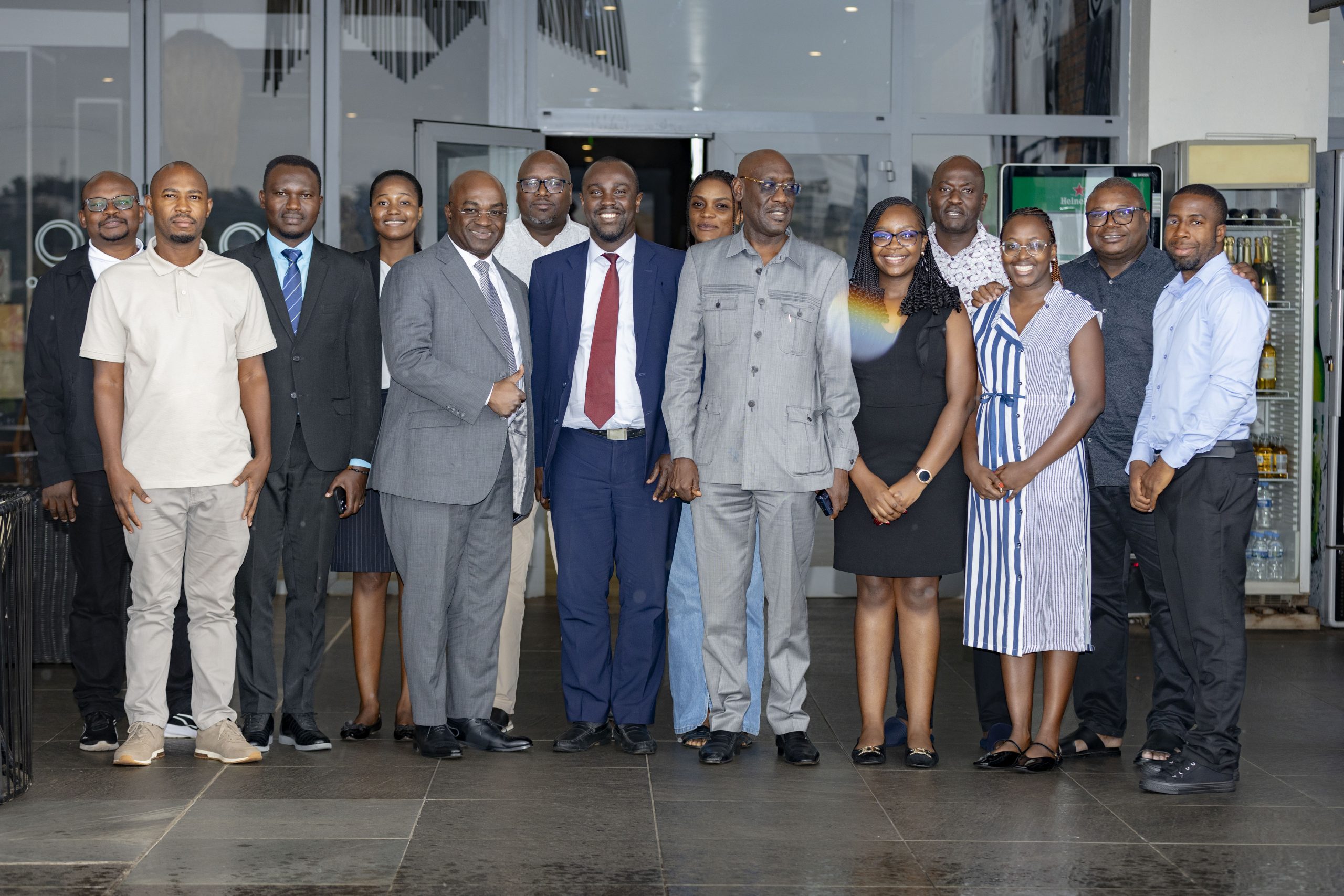
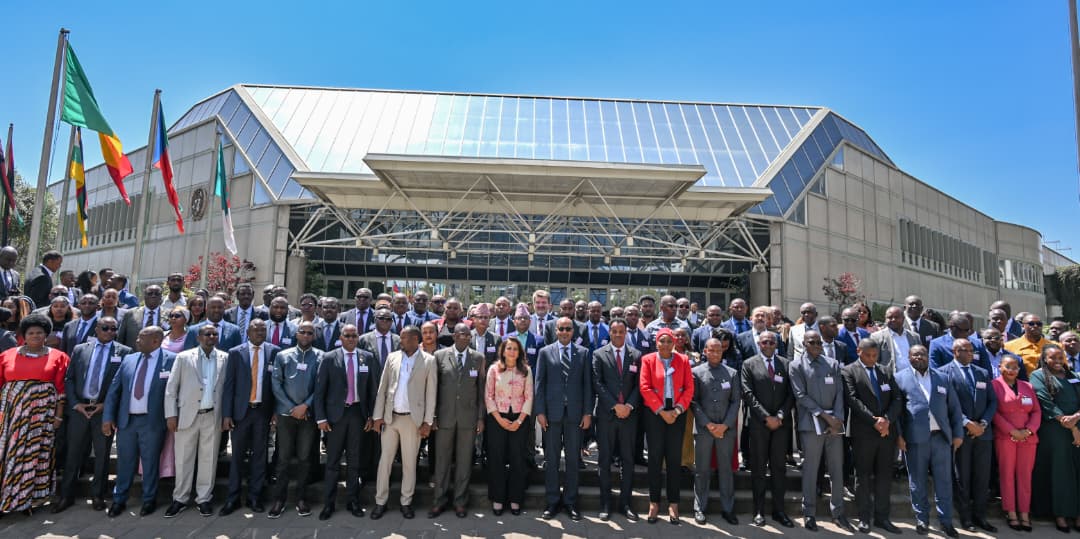
 [:en]Training Partcipants posing for a Group Photo[:]






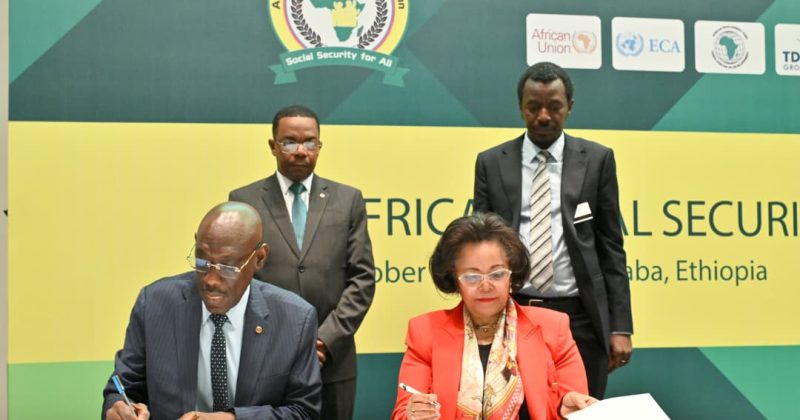
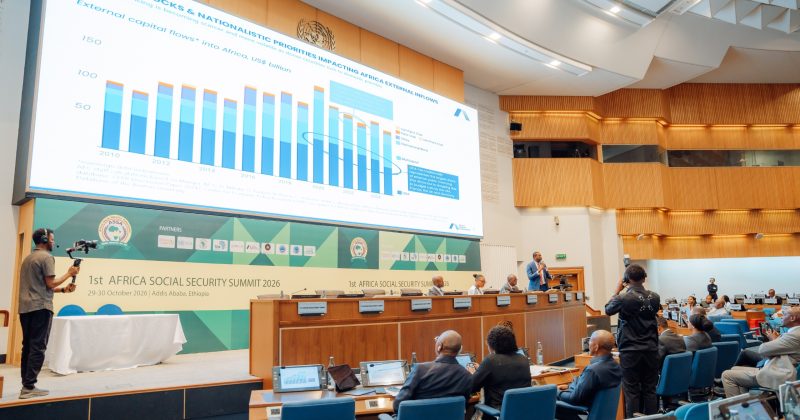
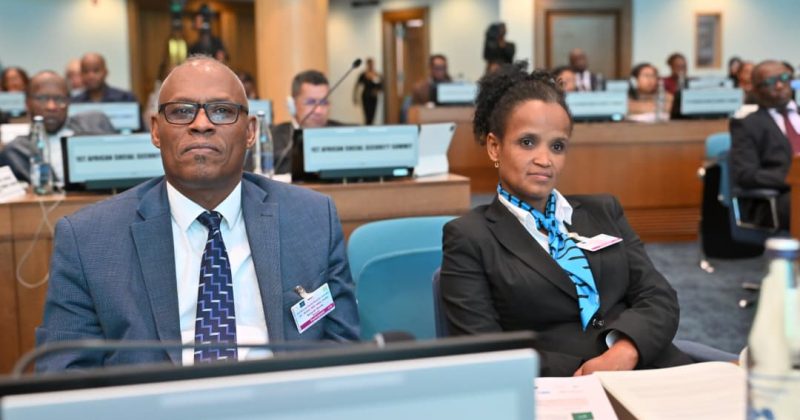

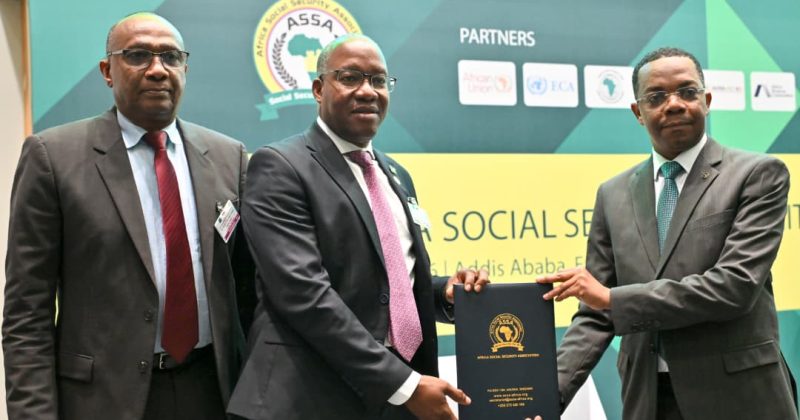
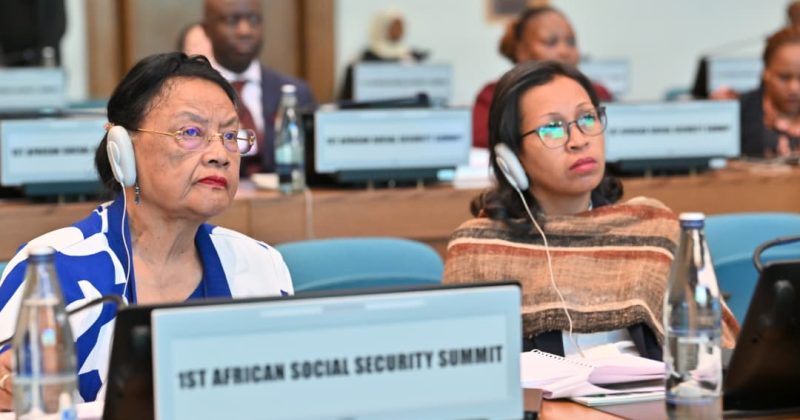


With more than US$614 billion held by Africa’s pension and social security institutions, the 1st Africa Social Security Summit explored how the continent can mobilise its long-term savings to finance infrastructure development while protecting the interests of workers and pensioners.
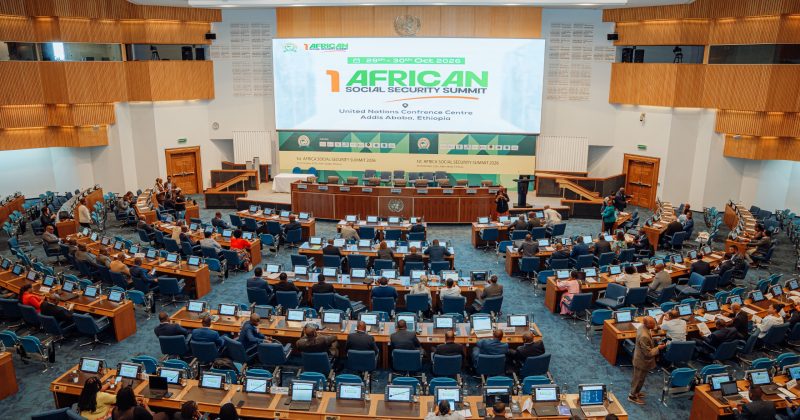
Africa faces a growing demand for investment in energy, transport, water and digital infrastructure as its population continues to expand. Yet, alongside these development needs lies a significant opportunity: the continent’s pension and social security institutions collectively hold more than US$614 billion in long-term savings. How this capital can contribute to Africa’s development without compromising the retirement security of millions of workers was at the heart of the 1st Africa Social Security Summit, held on 29–30 October 2026 at the United Nations Conference Centre in Addis Ababa, Ethiopia.
Convened by the Africa Social Security Association (ASSA) under the theme “Harmonizing Social Security Systems for Infrastructure and Economic Transformation in Africa,” the Summit brought together policymakers, regulators, social security leaders and development finance institutions to explore opportunities for greater institutional investment and stronger social protection systems. Building on 14 years of ASSA’s Annual Policy-makers Conference, the gathering marked an important step in strengthening collaboration between Africa’s social security sector and its development finance institutions.
Mobilizing Institutional Capital for Africa’s Development
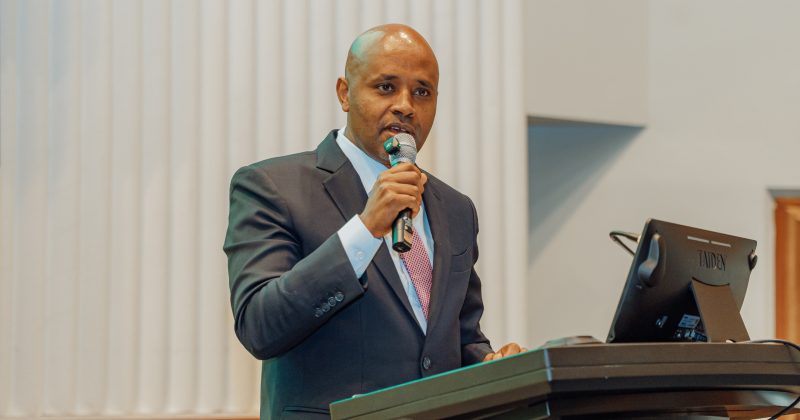
Opening the Summit, H.E. Dr. Eyob Tekalign, Governor of the National Bank of Ethiopia, highlighted the natural alignment between pension capital and infrastructure financing. “Our pension and social security funds represent patient, long-term capital. Infrastructure also requires patient, long-term capital. We must therefore build the institutions and investment mechanisms capable of bringing these two together,” he said.
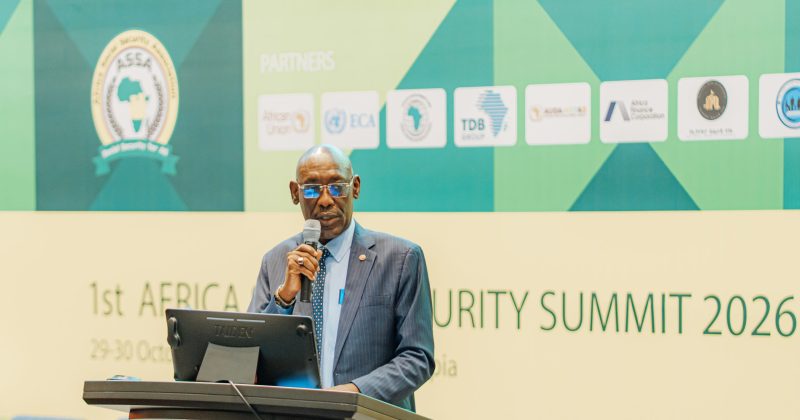
The Governor emphasized that pension assets belong to workers, pensioners and future beneficiaries and must be protected. He called for a clear roadmap to guide a continental infrastructure investment initiative, with appropriate governance, investment criteria, regulatory frameworks and risk-mitigation measures. ASSA Chairman, Mr. Nassor Shaaban Ameir, Managing Director of the Zanzibar Social Security Fund, echoed the importance of translating the Summit’s discussions into concrete outcomes. He described the gathering as a milestone in ASSA’s evolution into a continental platform and encouraged more African social security institutions to join the Association.
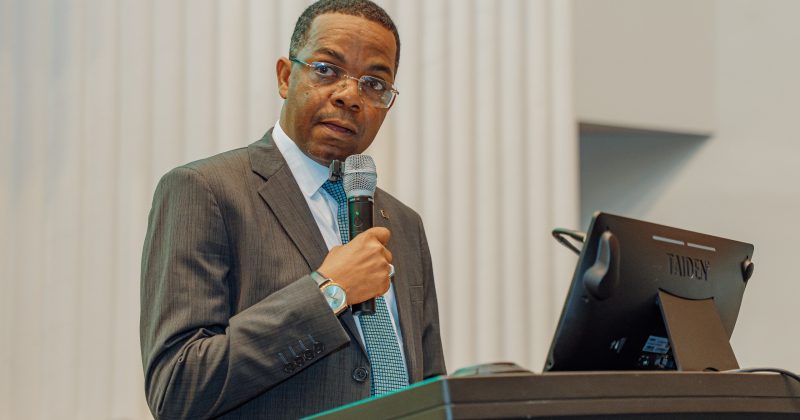
The investment potential of African pension funds was further explored by Mr. Nasiru Braimah, Associate Vice President at Africa Finance Corporation (AFC). He noted that although African pension portfolios remain concentrated in short-duration, low-risk assets, infrastructure presents opportunities for attractive long-term returns. Citing Moody’s data, he highlighted that infrastructure project loans in Africa have recorded a default rate of approximately 2.6%, while AFC’s infrastructure portfolio has averaged returns of 11.3% in recent years. However, only around one in ten infrastructure projects on the continent reaches financial close. Stronger project preparation, standardized contracts and dedicated investment vehicles were therefore identified as essential to making infrastructure opportunities more accessible to institutional investors without exposing them directly to project development risks.
Advancing the ASSA Infrastructure Fund for Africa
The Summit also provided an opportunity to review progress towards establishing the ASSA Infrastructure Fund for Africa. Mr. Tichakunda Simbini, Principal Programme Officer for Energy at AUDA-NEPAD, outlined the initiative’s development, beginning with a declaration of intent between ASSA and AUDA-NEPAD in Luanda in October 2025. In April 2026, the African Union’s Specialised Technical Committee on Transport and Energy requested AUDA-NEPAD, the African Union Commission, AfDB, ECA and other stakeholders to support ASSA in developing the Fund.
Drawing on examples such as Kenya’s KenGen bond, in which pension schemes accounted for approximately 40% of the issuance, Mr. Simbini highlighted the importance of cross-border investment frameworks, regional regulatory harmonisation and appropriate guarantees and risk-mitigation mechanisms. He also announced an expert workshop scheduled for Nairobi from 30 November to 4 December 2026 to advance discussions on reforms, investment instruments and the project pipeline.
Providing a further update, the ASSA Chairman confirmed that member institutions, working with AfDB, TDB Group and AFC, had developed an investment policy statement for the Fund, with a steering committee established to guide its implementation.
Strengthening Pension Systems Through African Data
Beyond infrastructure investment, the Summit marked a significant milestone in strengthening the actuarial capacity of African social security institutions with the launch of the ASSA African Pensions Mortality Tables (ASSAMU 2015–2024).
Developed by The Muhanna Foundation with the support of ASSA, the tables draw on ten years of records covering 6.8 million active members and pensioners across 12 social security schemes in seven countries. They are the first regional actuarial life tables developed using the experience of ASSA member schemes, providing institutions with more relevant data for pension planning and long-term financial sustainability.
Presenting the findings, Mr. Ibrahim Muhanna, Chairman of The Muhanna Foundation, highlighted significant differences between the life expectancy of scheme members and that reflected in United Nations general-population tables. A 60-year-old male scheme member can expect to live a further 19.2 years, compared with 15.6 years under the UN tables. For women, the corresponding figures are 21.1 years and 18.3 years. These findings demonstrate why accurate mortality assumptions are essential for estimating pension liabilities, determining contribution rates and developing sustainable financing strategies.
From Dialogue to Action
The Summit’s discussions extended beyond infrastructure investment to address broader priorities in Africa’s social security sector, including expanding coverage among informal-sector workers, leveraging digital innovation to improve service delivery, and strengthening employment injury protection alongside universal health coverage.
A key message emerged from the gathering: Africa’s development ambitions and the protection of workers’ retirement savings can advance together. Achieving this requires sound governance, appropriate investment structures, reliable data and stronger regional cooperation.
For ASSA and its partners, the Summit represents an important step towards connecting Africa’s institutional capital with its development priorities while strengthening social protection systems across the continent. The focus now turns to translating the commitments and discussions in Addis Ababa into practical initiatives that deliver lasting value for social security institutions and the people they serve.Africa’s savings hold enormous potential. The opportunity lies in ensuring that these resources help build a more resilient, inclusive and secure future for generations to come.
The Summit will bring together Chief Executive Officers, Board Members, policymakers, development finance institutions, investors, regulators, and strategic partners to shape a new era of infrastructure financing driven by African institutional capital.
Africa’s social security institutions collectively manage more than USD 800 billion in pension assets, representing one of the continent’s largest pools of long-term capital. The Summit is founded on the conviction that these assets can play a transformative role in closing Africa’s infrastructure financing gap while delivering sustainable, risk-adjusted returns that safeguard pension obligations. It will provide a high-level platform to develop practical strategies for harmonizing regulatory and investment frameworks, strengthening the investment readiness of pension funds, and accelerating their participation in bankable infrastructure projects that support regional integration, industrialization, energy, transport, housing, digital connectivity, and other strategic sectors.